
Welcome to VOCO
WELCOME
to VOCO
An interactive guide to Tartu Vocational College & the city around it.
Explore Tartu
Things to do in Tartu
There are many places to visit in Tartu, both outdoors and indoors. Filter by category or search, then tap any place to read more.
The college
About VOCO & its campuses
Founded in 1922, Tartu Vocational College is Estonia’s largest and leading vocational education and training institution. The college offers 19 study areas and serves more than 3,000 vocational students each year, alongside approximately 2,000 adult learners participating in continuing education courses.
The largest fields of study are construction, food and catering, ICT, and vehicle technology. Programmes are offered at EQF levels 2–5, with the majority of students enrolled in vocational secondary education at EQF level 4.
The college operates two major campuses in Tartu — Kopli and Põllu — and employs 314 staff members, including over 250 teachers.
Departments
- IT ACADEMY
- ENGINEERING ACADEMY
- WOOD AND CONSTRUCTION
- CATERING AND TOURISM
- FOOD TECHNOLOGY
- BEAUTY AND TEXTILE
- TRAINING CENTER
- STUDENT SUPPORT CENTRE
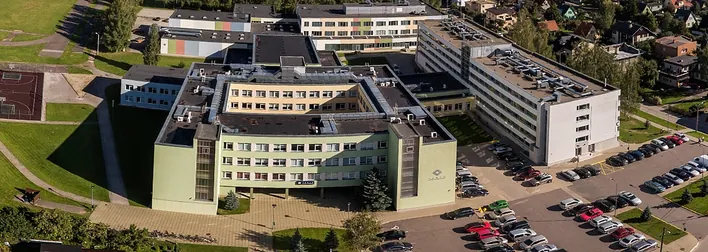
Kopli campus
Buildings A · B · C
- Dormitory
- Hotel
- Restaurant
- Meat Culinary competence centre
- Welness & Beauty centre
- Laundry
- Health service (incl dentist)
- Sport facilities
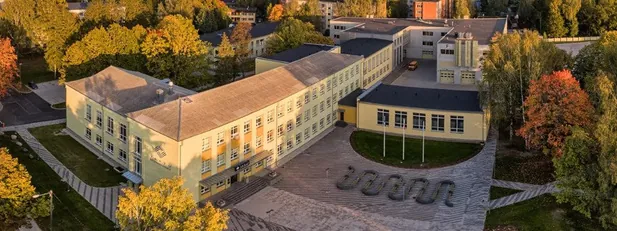
Põllu campus
Buildings A · B · F
- Dormitory
- Canteen
- Car Service
- Toyota Baltic Corporation training centre
- Sport facilities
Who made this guide
Made by students of the IT-school and the Business school
Two of the schools that make up Tartu Vocational College, working alongside the departments listed above. The IT-school also runs Prakti.net, the college’s internship base, where students keep a real network and real servers running.

Getting around
Transport
Buses in Tartu
The main form of transport throughout Tartu is traveling via the bus. Tartu have a range of different buses that take you to different parts of the city, all buses are very frequent often every 15-20 minutes. All bus times are the same throughout the week apart from the weekends, Saturday and Sunday have a different time table. Catching the bus is a cheap option for students as there is a bus pass with is available to buy at the college hotel reception.
Bus No.4
The main bus for students would be bus No.4, this bus takes you to the different College campuses such as, Põllu street. The bus No.4 also takes you straight into the city centre, this makes it easy if you need to go in to town to do some shopping or to go out for some food.
Tartu public buses app
The bus has its very own app on Android and Apple phones called “Tartu bussiajad,” it allows you to check the bus times and also see how long your bus is going to be and if there are any delays. This app makes it easier to check bus times then having to walk down to the bus stop to check.
Tartu bussiajad — Android & AppleBus tickets - how to pay
For a single ride you do not need anything in advance: tap a contactless bank card on the validator when you board and it buys you a one-hour ticket. Staying longer? Buy a Tartu bus card (ühiskaart) and load a period ticket onto it instead - the cards are sold at R-Kiosk, shopping centres and other shops around the city.
Tip: the college hotel reception also sells a bus pass, so you can sort this out before you leave the building. Prices change from time to time, so check the current ones on the city ticket site rather than taking a printed figure for granted.
 Estonian
Bolt - rides, cars and scooters
Bolt is an Estonian company, started in Tallinn in 2013 and now used in more than 40 countries - and it works in Tartu exactly as it does at home. One app covers rides, car-sharing by the hour, e-scooters and e-bikes, and food delivery.
Travel beyond Tartu
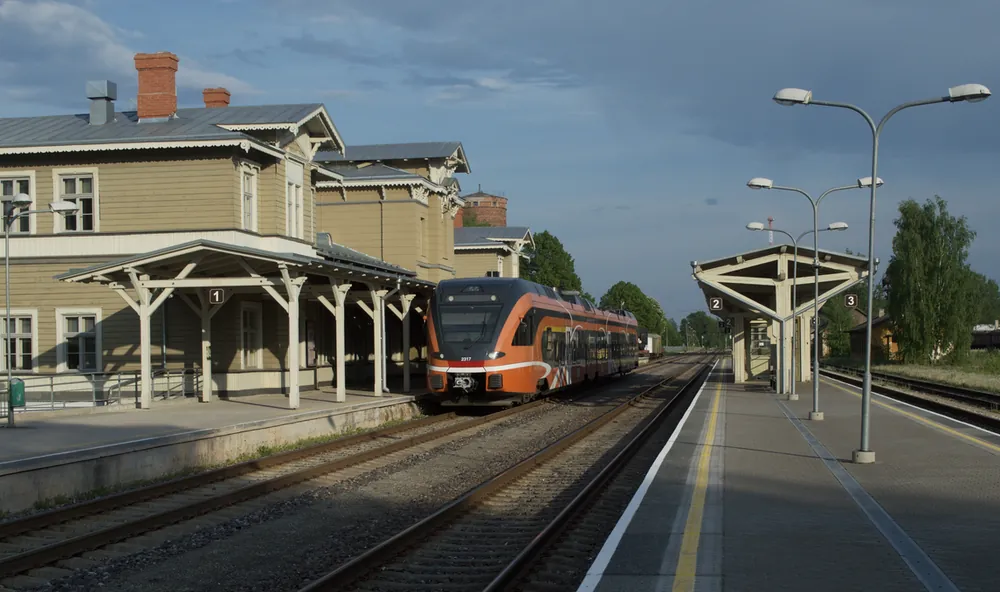
As well as transport around Tartu there is also transport to get you to other destinations such as Tallinn and countries like Russia and Latvia. There is both a train and a bus that has connections between different cities.
Coming from Tallinn Airport? Lux Express is Estonia’s main coach operator and runs direct buses from the airport to Tartu bus station in the city centre in about 2 hours 20 minutes. Book ahead - and check the timetable, as not every Tallinn-Tartu departure calls at the airport.
Flying via Riga? Riga Airport is the largest in the Baltics and often has the wider choice of connections. Lux Express runs coaches from the airport itself through to Tartu, stopping in Valga on the way - allow roughly four and a half hours for the trip.
Beyond the city
Introduction to Estonia
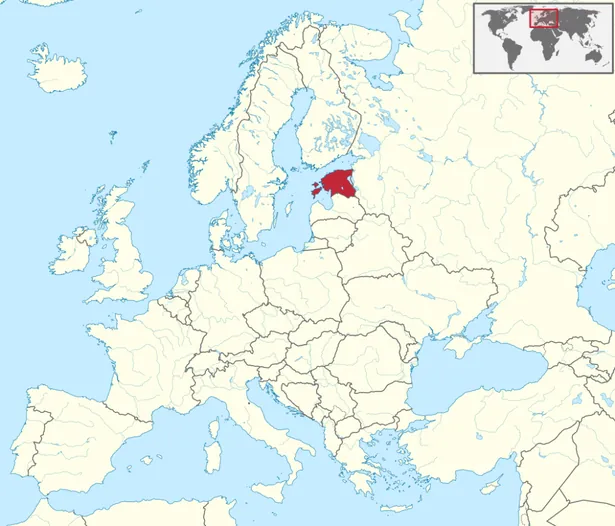
Location
Estonia is a Northern European country and one of the Baltic states. It borders Latvia to the south and Russia to the east, and it has coastlines along the Baltic Sea and the Gulf of Finland. Its capital city is Tallinn, and its currency is the Euro.
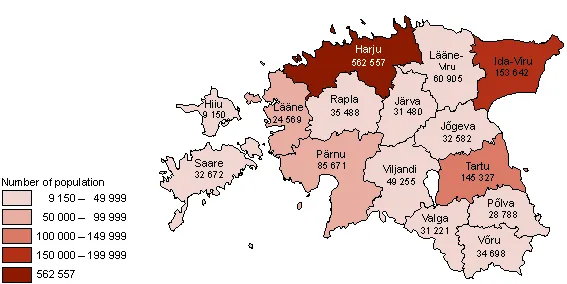
Population
Estonia is a Northern European country and one of the least populated countries in Europe, with about 1.3 million people. Its main cities are Tallinn (the capital), Tartu (a well-known university city), and Narva (a border city in eastern Estonia near Russia).
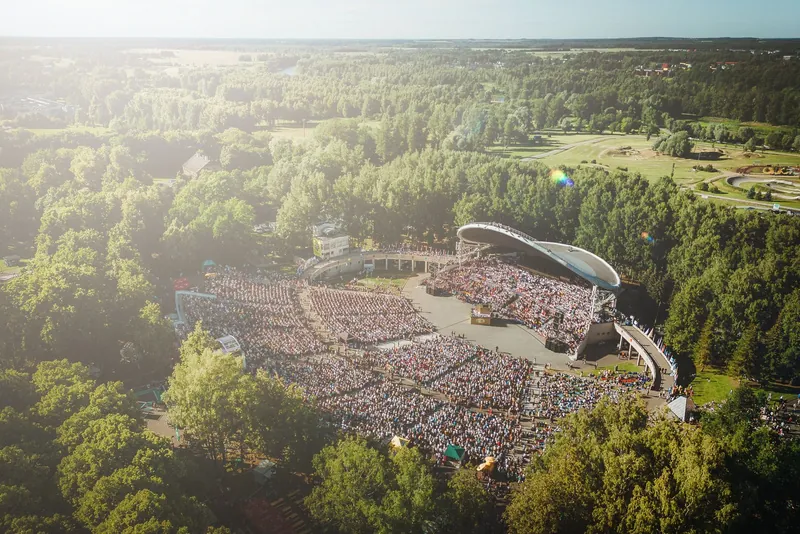
Culture
Estonia has strong cultural traditions, including Song and Dance Festivals with around 100,000 attendees, a deep folk music heritage, and a strong sauna culture. Its capital, Tallinn, is home to the medieval Old Town, which is a UNESCO World Heritage Site.

Traditional food
Estonian cuisine is simple and based on local ingredients. Traditional foods include black bread, kama (a traditional flour mix), blood sausage, pork with sauerkraut and barley, sprat fish on dark bread, rosolje (a beet and potato salad), and meat jelly.
The four capitals
Estonia celebrates a different capital for every season — tap to switch.
Take a piece home
Gift ideas from Estonia

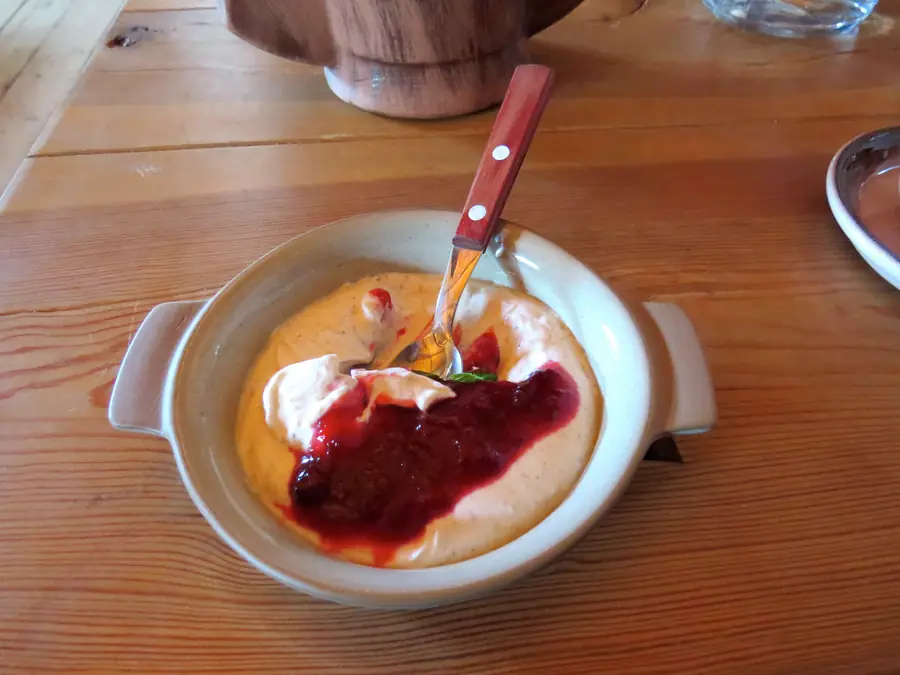
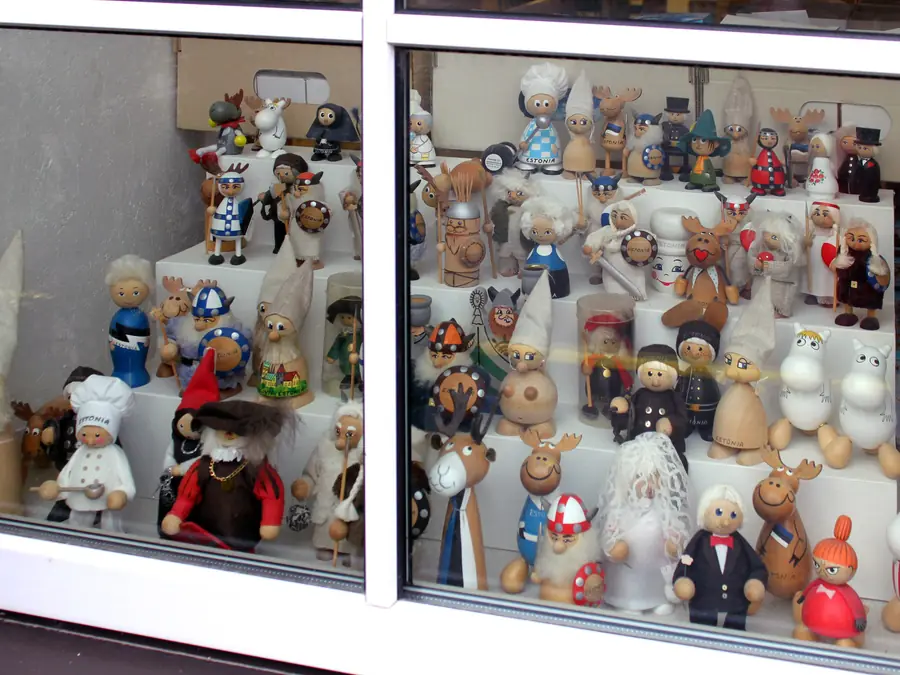
More to take home
Estonian food that survives the trip home. You will find all of it in any supermarket here.
Photos: Kalev bars and the Tallinn souvenir window by Liilia Moroz, released into the public domain (CC0); kama at Palmse by Orf3us, CC BY 3.0. All via Wikimedia Commons.
 Made by Prakti.net internship base with students of the IT-school and the Business school